Products built on our own stack.
Two products we build and run ourselves, on the same stack we use for client work. One runs buildings. One runs a consulting business. Both are proof the stack holds up in production.
MQ Flow
Our AI-driven HVAC system with personal comfort calibration.
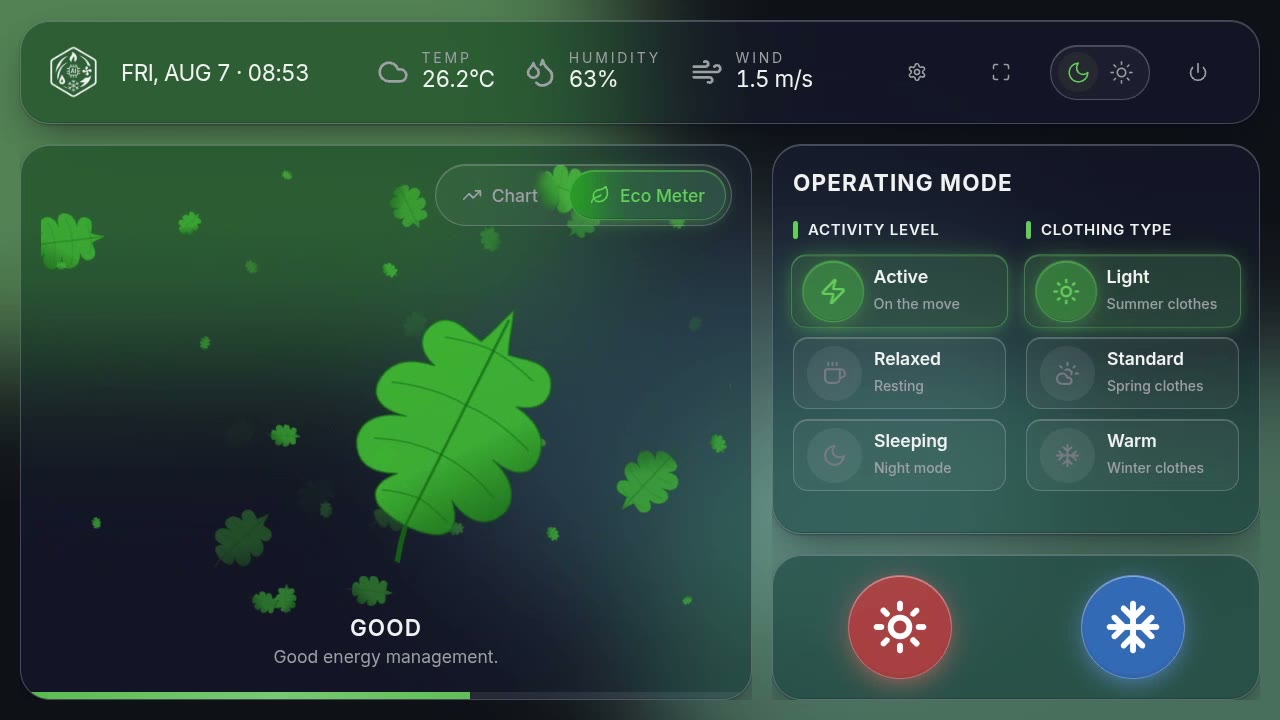
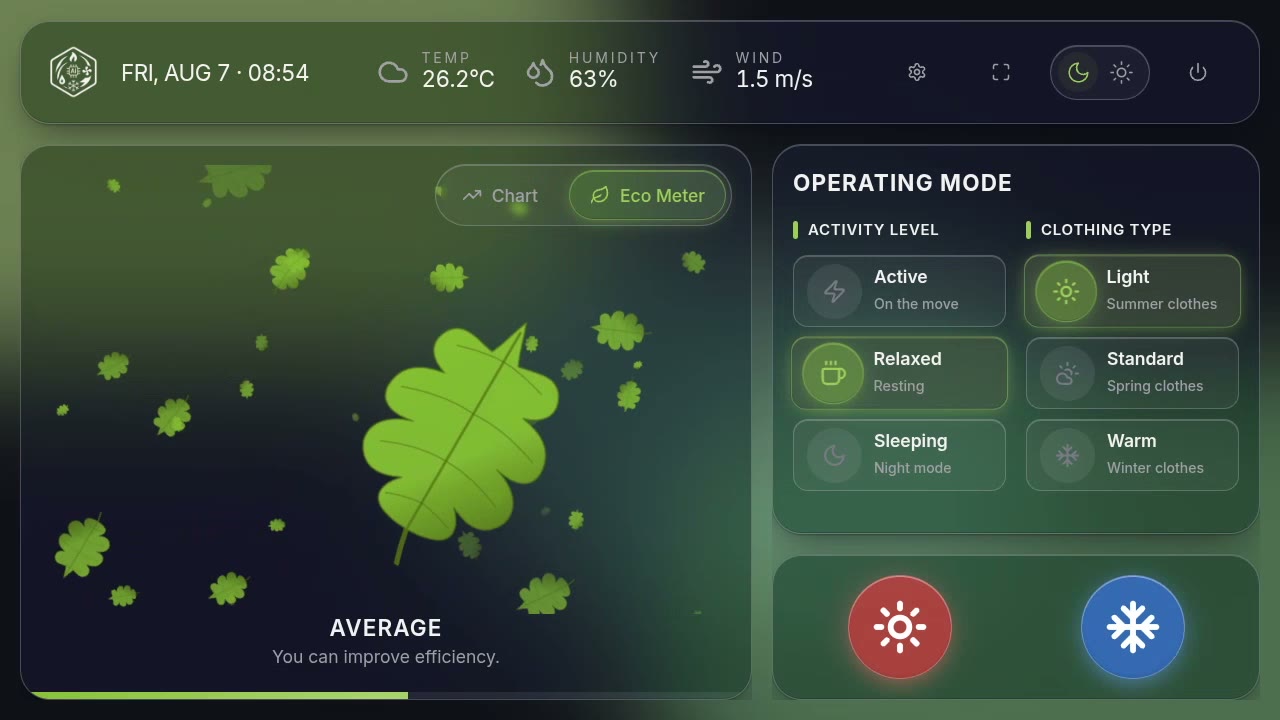
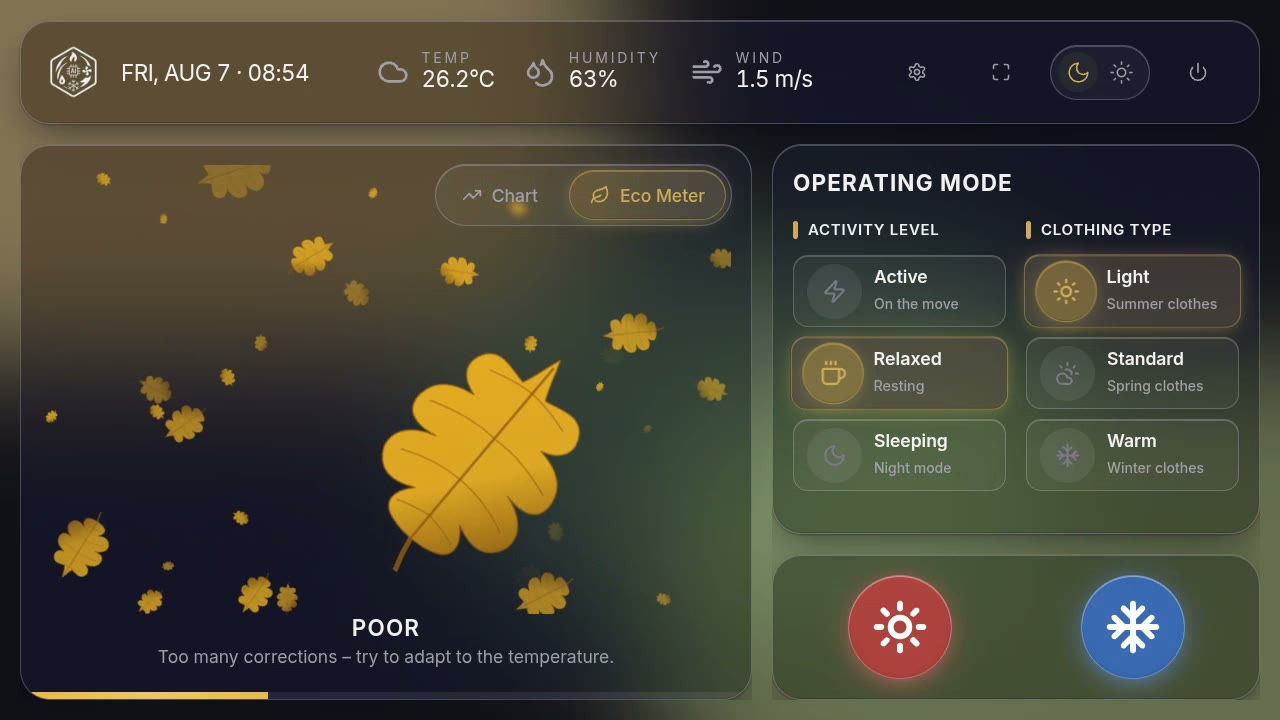
MQ Flow runs a building's heating, ventilation, and humidity from a physics model of human comfort, then learns what the people in each room actually prefer. Occupants never set a temperature. They tap warmer or cooler, and the system does the rest. We build the AI and the software; our HVAC partner Mifimi brings the domain expertise that makes it real in a plant room.
Physics first
A Fanger PMV comfort model (ISO 7730) computes each room's comfort target from temperature, radiant heat, humidity, and air movement. It works from day one, before any learning.
Learns each room
Per-room reinforcement learning turns warmer and cooler taps into a personal comfort offset, tuning to the actual people in the room rather than a statistical average.
Cheapest levers first
The same comfort can be reached several ways. The optimiser adjusts fresh air and humidity before touching the heat pump, targeting at least 30% lower energy use.
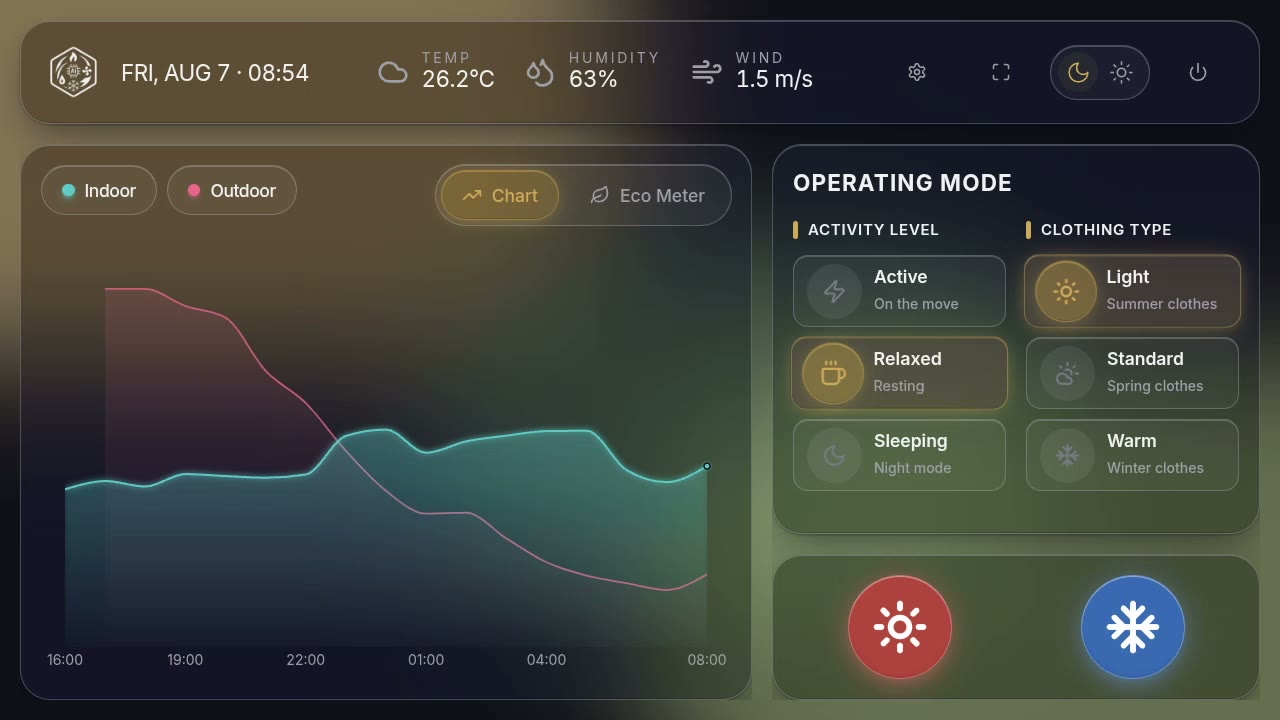
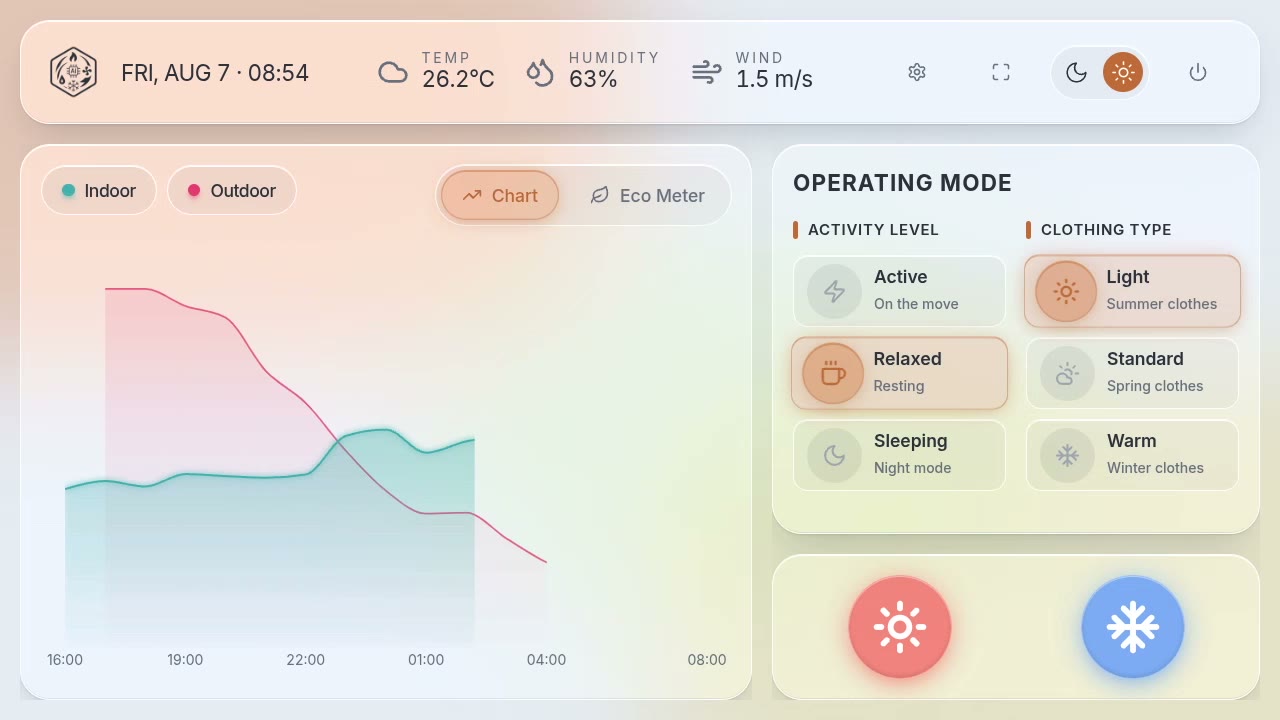
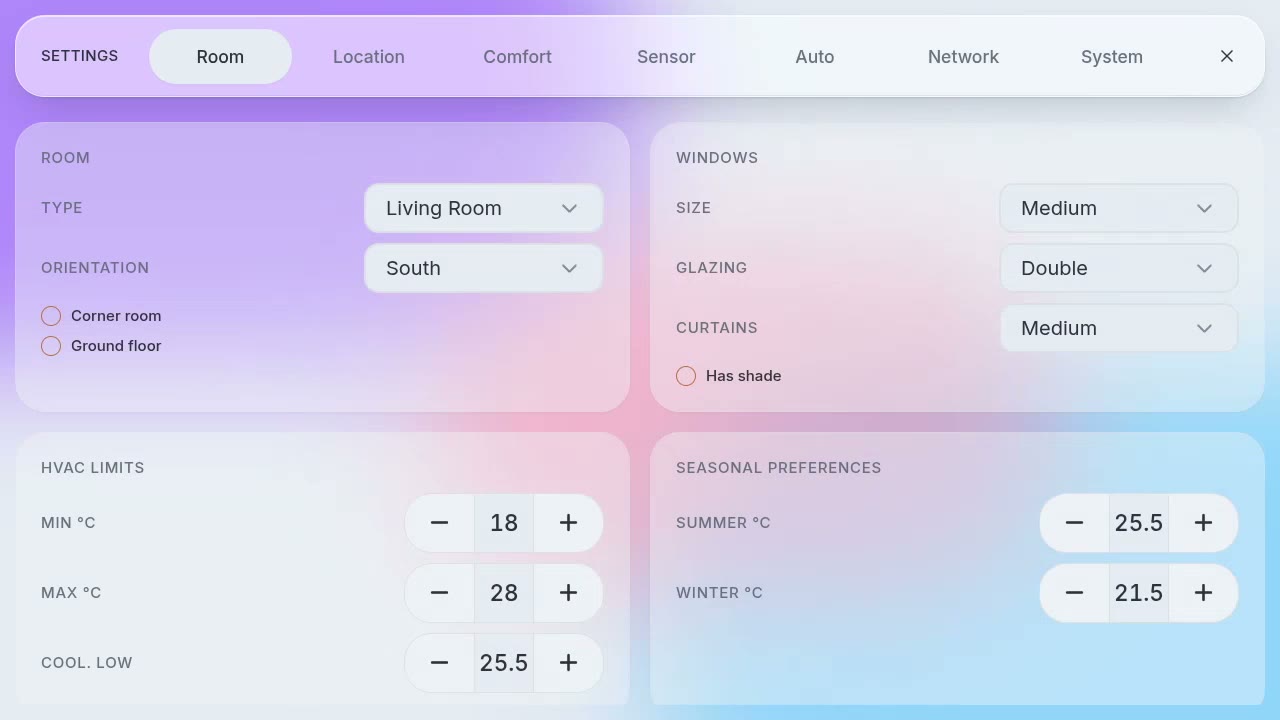
What makes it different
- Comfort is computed, not guessed: PMV weighs radiant heat, humidity, and air movement, not air temperature alone.
- Occupant taps are the training signal for the reinforcement learning, so the system improves with use.
- Retrofit-friendly: BACnet integration and one API toward any PLC, built to drop into existing buildings.
- The control loop runs on hardware in the building: per-room thermostat units on our edge stack, plus a weather station.
Where it stands
- The first batch of 28 thermostat units is being installed in a faculty building in Belgrade.
- Data collection and model use are being evaluated on the live building.
- At least 30% energy reduction is the project target. We publish measured figures when the evaluation closes, not before.
Qonverge
AI talent matching for consulting firms and recruiters.
We built Qonverge because we had the problem ourselves. A consulting business runs on one repeating question: who is available, and which of them actually fits the assignment on the table this week? Qonverge answers it, and it runs on infrastructure we operate under EU jurisdiction, on an open-weight stack wherever the workload allows. What we built, what we ruled out, and where we stopped the AI is written up in the work note.
Interested in either product?
MQ Flow is looking for design partners with a building to instrument. Qonverge is in production at two firms. Tell us which you mean, and we'll set up a demo.